Эскадренные миноносцы типа Acre
Эскадренные миноносцы типа Acre
.jpg)


Бразилия
Общие сведения
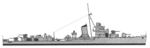
Эсминцы типа Acre (известны также как тип Amazonas или тип А) были первыми современными эсминцами, построенными в Бразилии. Изначально это был модифицированный британский проект с американским оборудованием для замены шести эсминцев типа H (в Бразилии их называли эсминцами типа Jurua), заказанных в Великобритании, но реквизированных после начала Второй мировой войны.
Проект был переориентирован на тип Sims, и из-за сложностей и недостаточного опыта сотрудников верфи Ilha da Cobras строительство затянулось с 1943 по 1949 или даже 1951 год. Они были готовы вовремя, когда Бразилия приобрела у США два крейсера типа Brooklyn, которые тщательно сопровождались до момента вывода из эксплуатации. В начале 1960-х годов корабли были модернизированы. В 1964 г. и затем в 1973-1974 годах они были выведены из эксплуатации с относительно безоблачной службой. Они пришли на смену эсминцам типа Marcílio Dias 1937 года постройки, а их самих сменили модернизированные корабли типа Fletcher — эсминцы типа Pará.
История создания


Предшественники
Основная статья: Эскадренные миноносцы типа Jurua
Предпосылки к созданию
Корабли типа Acre были заказаны после начала войны в 1939 году. Сначала, в соответствии с военно-морским планом 1938 года, было решено построить шесть эсминцев на верфи основного поставщика — в Великобритании, и с британским правительством было достигнуто соглашение. Шесть эсминцев типа J (не имеющих отношения к британским эсминцам типа J) (Juruá, Javary, Jutahy, Juruena, Jaguaribe и Japurá) было решено построить в Великобритании. Изначально это были эсминцы типа H. Это был более ранний проект 1934 года, который всё ещё был относительно близок к типу E-F.
В сентябре 1939 года британское правительство реквизировало эти эсминцы и начало переговоры с военно-морскими силами Бразилии. Последние хотели попытаться построить их собственными силами, с британской помощью, вооружением и оборудованием, и это предложение было принято. Самой большой загадкой было то, удастся ли вообще получить британскую техническую поддержку и можно ли обойтись без оборудования военного производства. Однако к концу 1939 года, когда велись подготовительные работы, стало ясно, что к середине 1940 года эта помощь так и не была оказана. В конце концов бразильское правительство устало от того, что эти эсминцы вообще будут построены, и прекратило переговоры, обратившись вместо этого за помощью к США, которые в 1940 году все еще сохраняли нейтралитет.
Проектирование
Инженеры военно-морского арсенала Ilha da Cobras в Рио-де-Жанейро, который должен был стать головным предприятием, хотели использовать опыт, накопленный при строительстве эсминцев типа Marcilio Dias, прототипом для которых послужили эсминцы типа Mahan. Они хотели начать с обновленного проекта и получили разрешение на использование чертежей и деталей, а также оборудования для строительства совершенно нового эсминца типа Sims. Это означало полный переход от британской технической поддержки к американской, а тот факт, что новые корабли будут иметь характеристики, отличные от первоначального британского проекта, привело к многочисленным доработкам и вызвало новые задержки.
Эти новые корабли в совокупности получили название типа А, что значительно отличало их от ныне отмененного типа J. Очевидно, что эсминцы типа Sims были совершенно новыми кораблями по сравнению с предыдущими эсминцами типа H, но бразильский флот, по крайней мере, добился большей стандартизации на эсминцах типа Marcilio Dias (тип М), особенно в отношении вооружения, поставляемого США, и более поздних систем обнаружения. Новые корабли типа А были меньше и имели одну дымовую трубу, и как у кораблей типа Marcilio Dias у них не было торпед, и они были чисто «артиллерийскими» эсминцами.
Их срок службы тоже был недолгий. По сути, это были разработки 1930-х годов, и к 1959 году они безнадежно устарели. Два из них были списаны уже в 1964 году, а остальные четыре — в 1973–1974 годах, несмотря на модернизацию. На смену им пришел новые эсминцы типа тип P (Para), по сути представлявший собой модернизированный эсминец типа Fletcher.
В целом переход от типа H к типу Sims привёл к усложнению конструкции и серьёзным ограничениям. Эти корабли считались гибридными: в отличие от более совершенных и крупных предшественников типа Marcilio Dias, они имели меньшую вместимость, радиус действия и остойчивость, что объясняет их относительно недолгий срок службы — от 13 до 23 лет.
Постройка и испытания
Первые два корабля типа Marcilio Dias (тип М) были спущены на воду в июле и декабре 1940 года, освободив стапели для новых кораблей типа Acre (тип А). Ими стали Amazonas и Araguaya. Их кили были заложены в один день 20 июля 1940 года на верфи военно-морского арсенала Ilha da Cobras в Рио-де-Жанейро.
В ноябре 1943 года Amazonas и Araguaya были спущены на воду, 30 мая 1945 года — остальные три (подтип Acre) и Araguari — 14 июля 1946 года. Первые два были спущены на воду в сентябре и ноябре 1949 года, Araguari — в июне 1951 года, а остальные три эсминца типа Acre — в декабре 1951 года.
Сложность заключалась в том, что после переделки, в декабре 1941 года, США, в свою очередь, вступили в войну, и поддержка и поставки запчастей отошли на второй план практически до 1946 года.
Обозначение типа
Исследователи расходятся во мнениях относительно обозначения данного типа. Многие считают название тип А — более удобным вариантом. Многие авторы называли их типом Acre по алфавитному принципу, в то время как в Бразилии их справедливо называют тип Amazonas. Причина в том, что первая пара была заложена, спущена на воду и завершена раньше остальных. Однако, если исходить только из даты спуска на воду, то открывать тип должен был эсминец Araguaya. Он был спущен на воду 24 ноября, а не 29-го, как Amazonas.
Описание конструкции
Корпус
Эсминцы типа Acre были построены с использованием различных типов стали. Для деталей, наиболее подверженных коррозии, использовалась оцинкованная сталь, для обычных деталей и надстроек — среднеуглеродистая сталь, а для конструктивных элементов, испытывающих повышенные нагрузки, — высокопрочная сталь. Это произошло впервые в Бразилии и привело к усложнению процесса и задержкам в строительстве. Общая конструкция корпуса предусматривала поперечные секции для основной конструкции с продольным усилением, распределенным между различными палубами и разделенным на водонепроницаемые отсеки.
Водоизмещение эсминцев типа Acre составляло 2102 т при полной загрузке и 1805 т при нормальной загрузке. Общая длина кораблей составляла 98,5 м, расстояние между перпендикулярами — 95,04 м, длина по мидельшпангоуту — 10,06 м, по форштевню — 10,5 м. Ширина по ватерлинии уменьшилась с 6,096 м в средней части до 5,864 м в кормовой части. Средняя осадка составляла 2,80 м при максимальном водоизмещении, 2,54 м при нормальном водоизмещении и 2,28 м при очень малом водоизмещении.
Энергетическая установка и ходовые качества
Эскадренные миноносцы типа A (Acre) обычно делят на два подтипа, различаемых по типу энергетической установки. 1-й - подтип Amazonas (Amazonas, Apa, Araguari, Araguaya), оснащённый двумя паровыми турбинами Westinghouse мощностью 45 000 л.с., позволяющие развивать максимальную скорость 36 узлов. Ко 2-му подтипу Acre относят Acre и Ajuricaba, которых оснастили двумя турбинами General Electric мощностью 34 600 л.с. с максимальной скоростью 33,5 узлов.
Двухвальная энергетическая установка 1-го подтипа включала в себя два турбозубчатых агрегата (ТЗА) Westinghouse Electric & MFG Co. суммарной мощностью 45 000 л.с. и три котла фирмы Babcock & Wilcox. Каждый из установленных двигателей левого и правого борта состоял из 10-ступенчатой турбины высокого давления (ТВД) и турбины низкого давления (ТНД) для крейсерского хода. ТНД также использовалась для реверса. ТЗА приводили в движение два гребных винта диаметром 3,126 метра с постоянным шагом 3,927 метра. На кораблях 2-го подтипа были установлены два ТЗА производства General Electric суммарной мощностью 34 600 л.с. и три котла]] фирмы Babcock & Wilcox с двойной дымовой камерой и одной топкой, работавших на стандартном мазуте.
Каждый из трёх котлов Babcock & Wilcox располагался в отдельной котельной. Дымоходы были объединены в одну дымовую трубу. Котлы двойного действия с дистилляционной установкой низкого давления (производительностью 45 500 литров в сутки). Их дополняли два компрессора высокого давления, приводимые в действие паровыми турбинами, с производительностью 560 дм³/час и давлением 210 кг/см².
Это позволяло эсминцам развивать экономичную скорость 13,5 узлов, крейсерскую — 20 узлов, а максимальную — 33,5 узла. Для управления и маневрирования на кораблях типа A (Acre) использовался гидроэлектрический руль, которым можно было управлять с мостика, а также с кормовой рулевой станции с помощью дублирующих устройств на мостике и в рулевом отделении.
Дальность плавания составляла 3800 морских миль на высокой крейсерской скорости (25 узлов), 6000 морских миль на экономичной скорости 15 узлов и 900 морских миль на максимальной скорости 36 узлов.
Электроэнергия при холодных котлах вырабатывалась двумя турбогенераторами Westinghouse на 450 вольт, 60 циклов в секунду, трехфазными, с силой тока 240 ампер и выходной мощностью 150 кВт каждый, а также аварийным дизель-генератором Cummins с такими же техническими характеристиками. Поскольку эсминцы типа Acre эксплуатировались в тропическом климате, они были оснащены двумя холодильными машинами York Corp. для хранения провизии и двумя холодильными машинами York Corp. для хранения боеприпасов, по одной в носовой и кормовой частях.
Вспомогательное оборудование
Эсминцы были оснащены 8-метровым[3] катером с дизельным двигателем мощностью 31 л.с. вместимостью 22 человека и 12 спасательными плотами вместимостью 16 человек, а также 3-метровым гребным баркасом для доставки грузов на берег. На борту также имелись хранилища со спасательными жилетами.
Экипаж и обитаемость
Экипаж эсминцев типа Acre включал 150 человек.
Вооружение
| Отличия в вооружении эсминцев типа Acre | ||||
|---|---|---|---|---|
| Корабли | Главный калибр | Зенитное вооружение | Торпедное вооружение | Противолодочное вооружение |
| Acre | 4x1 - 127-мм/38 (2 Mk 30, 2 Mk 21) |
6x1 - 20-мм/70 Oerlikon Mk 4 | 2x3 - 533-мм TА | 2 бомбосбрасывателя, 2 бомбомёта |
| Ajuricaba | 4x1 - 127-мм/38 (2 Mk 30, 2 Mk 21) |
1x2 - 40-мм/56 Bofors Mk 1 , 4x1 - 20-мм/70 Oerlikon Mk 4 |
2x3 - 533-мм TА | 2 бомбосбрасывателя, 2 бомбомёта |
| Amazonas, Apa, Araguari, Araguaya |
4x1 - 127-мм/38 (2 Mk 30, 2 Mk 21) |
1x2 - 40-мм/56 Bofors Mk 1 , 4x1 - 20-мм/70 Oerlikon Mk 4 |
2x4 - 533-мм TА | 2 бомбосбрасывателя, 2 бомбомёта |
Главный калибр

Первоначально эсминца типа Acre были вооружены четырьмя орудиями 127-мм/38 Mk 12, такими же какими оснащались тип Marcilio Dias (тип М). Носовое возвышенное орудие главного калибра демонтировали сразу после вступления в строй — на его место поставили второй спаренный автомат 40-мм Bofors.
В период с мая по июль 1954 года корабли были модернизированы и прошли капитальный ремонт. Их вооружение было изменено на три орудия 127-мм/38, но с новыми универсальными пушками производства NGF. Теперь это были две кормовые открытые установки Mk 21 и одна носовая установка Mk 30 в башенной установке.
| Характеристика | 127-мм Mark 12 |
|---|---|
| Калибр | 38 |
| Длина ствола, мм | 5 683 |
| Масса АУ, кг | 1 810 |
| Скорострельность, выстр./мин. | 12-15 |
| Начальная скорость снаряда, м/с | 762-792 |
| Угол возвышения | -15° до +85° |
| Масса снаряда, кг | 25 |
| Максимальная дальность стрельбы, км | 15,6 |
Зенитная артиллерия


Зенитное вооружение эсминцев типа Acre несколько различалось при введении в строй. К тому же в 1945 году считалось, что четырёх 20-мм Oerlikon вполне достаточно, но вскоре выяснились, что этого недостаточно. После завершения строительства они получили спаренную установку 40-мм/60 Bofors, сохранив при этом четыре одиночных 20-мм Oerlikon.
На эсминце Acre было установлено только 6 одноствольных автоматов 20-мм/70 Oerlikon Mk 4, остальные же были оснащены одной спаренной установкой 40-мм/56 Bofors Mk 1 и четырьмя автоматами 20-мм/70 Oerlikon Mk 4. После вступления в строй на эсминцах вместо носового 127-мм орудия на платформе установили ещё одну спаренную установку 40-мм/60 Bofors.
В ходе модернизации 1954 г. корабли получили две автоматические спаренные установки 40-мм/60 Bofors Mk 1 Mod 6: одна носовая, установленная над рубкой, и одна кормовая, на квартердеке.
| Характеристика | 40-мм Bofors Mk 1 | 20-мм Oerlikon Mk 4 |
|---|---|---|
| Калибр | 60 | 70 |
| Длина ствола, мм | 2250 | 2210 |
| Масса АУ, кг | 1981 | 21,8 |
| Скорострельность, выстр./мин. | 120 | 450 |
| Начальная скорость снаряда, м/с | 881 | 844 |
| Угол возвышения | -15° до +90° | -10° до + 87° |
| Масса снаряда, кг | 0,9 | 0,123 |
| Максимальная дальность стрельбы, км по наземным/воздушным целям |
10,1 / 7 | 4,4 / 3 |
Минно-торпедное вооружение
Первоначальный проект предусматривал два трёхтрубных торпедных аппарата, но в ходе доработки от них отказались в пользу усиления противовоздушного и противолодочного вооружения. Поэтому у типа Acre при вступлении в строй не было торпедных аппаратов. Эсминцы походили на канонерские лодки, предназначенные в основном для сопровождения.
Далее в ходе модернизацией на них установили два трёхтрубных (Acre, Ajuricaba) или четырёхтрубных (Amazonas, Apa, Araguari, Araguaya) стационарных торпедных аппарата Mk 14 Mod. 12 американского производства.
Противолодочное и противоминное вооружение
Две противолодочные миномётные установки Mk 6 model 1, по одной с каждой стороны, также были установлены вместо прежних восьми установок DCT, и две пусковые установки глубинных бомб Mk 3, рассчитанные на семь установок DCS, с местным или дистанционным управлением.
Они также имели две стойки для глубинных бомб в кормовой части на корме и четыре пусковые установки глубинных зарядов в кормовой части на каждом из них - всего восемь штук, всего около 60 глубинных бомб.
противолодочное вооружение (бомбомёты и бомбосбрасыватели)
противолодочные установки DCT Two MK6 anti-submarine mortar mounts model 1, one on each side were also mounted in place of the former eight DCTs, and two MK3 depth charge launchers, with capacity for seven DCs, and local or remote control.
Кроме того, у них было два стеллажа для глубинных бомб на корме и четыре установки для глубинных бомб на корме каждого из восьмитрубных эсминцев, всего около 60 глубинных бомб.
После модернизации на корабли вместо прежних восьми установок DCT были установлены две противолодочные минометные установки MK6 model 1, по одной с каждой стороны, и две пусковые установки глубинных бомб MK3, рассчитанные на семь установок DCS, с местным или дистанционным управлением.
Средства связи, обнаружения, вспомогательное оборудование
В 1947–1951 годах эсминцы типа Acre были оснащены радаром SF-1 и гидролокатором QCR-1. После 1955 года они получили радары SPS-4 и SPS-10, но сохранили гидролокатор QCR-1.
После завершения строительства корабли получили стандартную американскую систему управления огнем Mk 33 mod. 38 и радар Mk 28 mod. 3, а также дальномер Mk 41 mod. 8 и вычислитель Mk 10 mod. 66B. В 1954 году они имели стабилизирующий элемент Mk 2 model 15, и панель управления MKT model 2 (для 127-мм орудий), а также два директора Mk 51 model 2 с двумя гироскопическими рукоятками Mk 14 model 8 (для зенитной батареи Bofors). Они также имели два регулятора MKT model 2 и вычислитель MK-T model 2 с двумя ручками Mk 5 для управления торпедой. Гидравлическая система крепления была размещена в контейнере, с местным и дистанционным управлением в средней части судна, по одному с каждой стороны.
На эсминцах типа Acre также имелся боевой информационный центр (БИЦ)[4], расположенный под мостиком. Помимо прочего, установка радара воздушного поиска AN-SPS-4 была дополнена радаром воздушного поиска AN-SPS-6C и ретранслятором главного сигнала радара воздушного поиска AN-SPA-4B, а также ретранслятором наземного радара VJ-1. С радаром воздушного поиска были связаны дальномер и координатор системы опознавания «свой-чужой» (IFF). Управление УВЧ-передатчиками осуществлялось дистанционно. Передача осуществлялась двумя радиостанциями с передатчиками и приемниками, работающими в нескольких диапазонах частот (средних, высоких, очень высоких и сверхвысоких).
Среди других систем были гидролокатор QCR-1 с индикатором отклонения пеленга BDI-CQA 55098 для противолодочной обороны и дальномер CAN 55134-A, а также эхолот ET-SQN1. На мачте также были установлены радиопеленгатор RCA DP12, репитер одометра и система размагничивания, а также репитер гирокомпаса, стрелка магнитного компаса, репитер одометра и репитер радара AN-SPA-4A.
Модернизации и переоборудования
Построенные корабли
| Эскадренные миноносцы типа Acre | ||||||
|---|---|---|---|---|---|---|
| Название | Бортовые обозначения |
Верфь | Дата закладки |
Дата спуска на воду |
Дата вступления в состав флота |
Судьба |
| Amazonas | A.1, позже - D12 | AMIC, Рио-де-Жанейро | 20.07.1940 | 29.11.1943 | 11.06.1949 | Исключён 19.06.1973 |
| Araguaya | A.5, позже - D14 | AMIC, Рио-де-Жанейро | 20.07.1940 | 24.11.1943 | 03.09.1949 | Исключён в 1974 г. |
| Ajuricaba | A.3, позже - D11 | AMIC, Рио-де-Жанейро | 28.12.1940 | 14.07.1946 | 17.12.1951 | Исключён 22.07.1964 |
Acre  |
A.4, позже - D10 | AMIC, Рио-де-Жанейро | 28.12.1940 | 30.05.1945 | 10.12.1951 | Исключён 26.07.1974 |
| Apa | A.6, позже - D13 | AMIC, Рио-де-Жанейро | 28.12.1940 | 30.05.1945 | 10.12.1949 | Исключён 22.07.1964 |
| Araguari | A.2, позже - D15 | AMIC, Рио-де-Жанейро | 28.12.1940 | 14.07.1946 | 23.06.1951 | Исключён в 1974 г. |
Этот корабль в искусстве

Корабль представлен в игре «Мир кораблей» в качестве исследуемого эсминца Пан-Америки VII уровня Acre.
См. также
- ↑ Дипломатический конфликт между Бразилией и Францией. Поводом стал вылов французскими рыболовными судами шипастых лобстеров у северо-восточного побережья Бразилии. Бразилия утверждала, что лобстеры «ползают по континентальному шельфу» и потому принадлежат ей, а французы утверждали, что лобстеры «плавают» и являются общим морским ресурсом
- ↑ В источнике указан эсминец Amazonas, хотя индификационный номер A.3 был присвоен эсминцу Ajuricaba
- ↑ 26-футовым
- ↑ Combat Information Center (CIC)
Литература и источники информации
Литература
- Патянин С.В., Барабанов М.С., Митюков Н.В. Корабли Второй мировой войны. ВМС стран Латинской Америки и Азии. — «Морская кампания». — Москва: 2008.
- Дашьян А. Эсминцы Второй мировой. — Москва: «Яуза», «Эксмо», 2019.
Ссылки
- www.navypedia.org
- www.navweaps.com
- https://www.naval.com.br/ngb/A/A005/A005.htm
- https://naval-encyclopedia.com/cold-war/brazil/amazonas-class-destroyers.php
- https://war-book.ru/eskadrennye-minonostsy-tipa-a-2/
- https://pt.wikipedia.org/wiki/Classe_Amazonas_(contratorpedeiros)
Галерея изображений
-
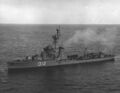 Amazonas (D12)
 -
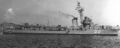 Amazonas (D12)
 -
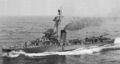 Amazonas (D12)
 -
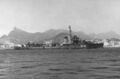 Araguaya (D14)
 -
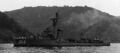 Araguari (D15)
 -
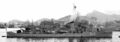 Araguari (D15)
 -
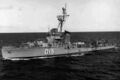 Araguari (D15)
 -
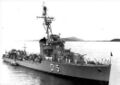 Araguari (D15)
 -
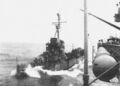 Ajuricaba (D11)
 -
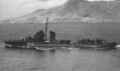 Apa (D13)


